elenge
English
Adjective
elenge (comparative more elenge, superlative most elenge)
- Alternative form of ellinge
Bangi
Noun
elenge
Lingala
Etymology
Adjective
elenge
Noun
elenge
Middle English
Alternative forms
- eling, elinge, elyng, elynge, helynge
- alange, alenge, a lenge (East Saxon or Southwest Midland); a-lange (Promptorium Parvulorum)
Etymology
Inherited from Old English ǣlenġe, from ǣ- (“without”) + lenġe (“related, belonging”); compare bilenge.
Pronunciation
- IPA(key): /ˈɛˌleːnd͡ʒ(ə)/, /ˈɛlind͡ʒ(ə)/, /ˈa-/
Adjective
elenge (plural and weak singular elenge, comparative elengere) (Southern, South Midland)
- Miserable, sad; not happy.
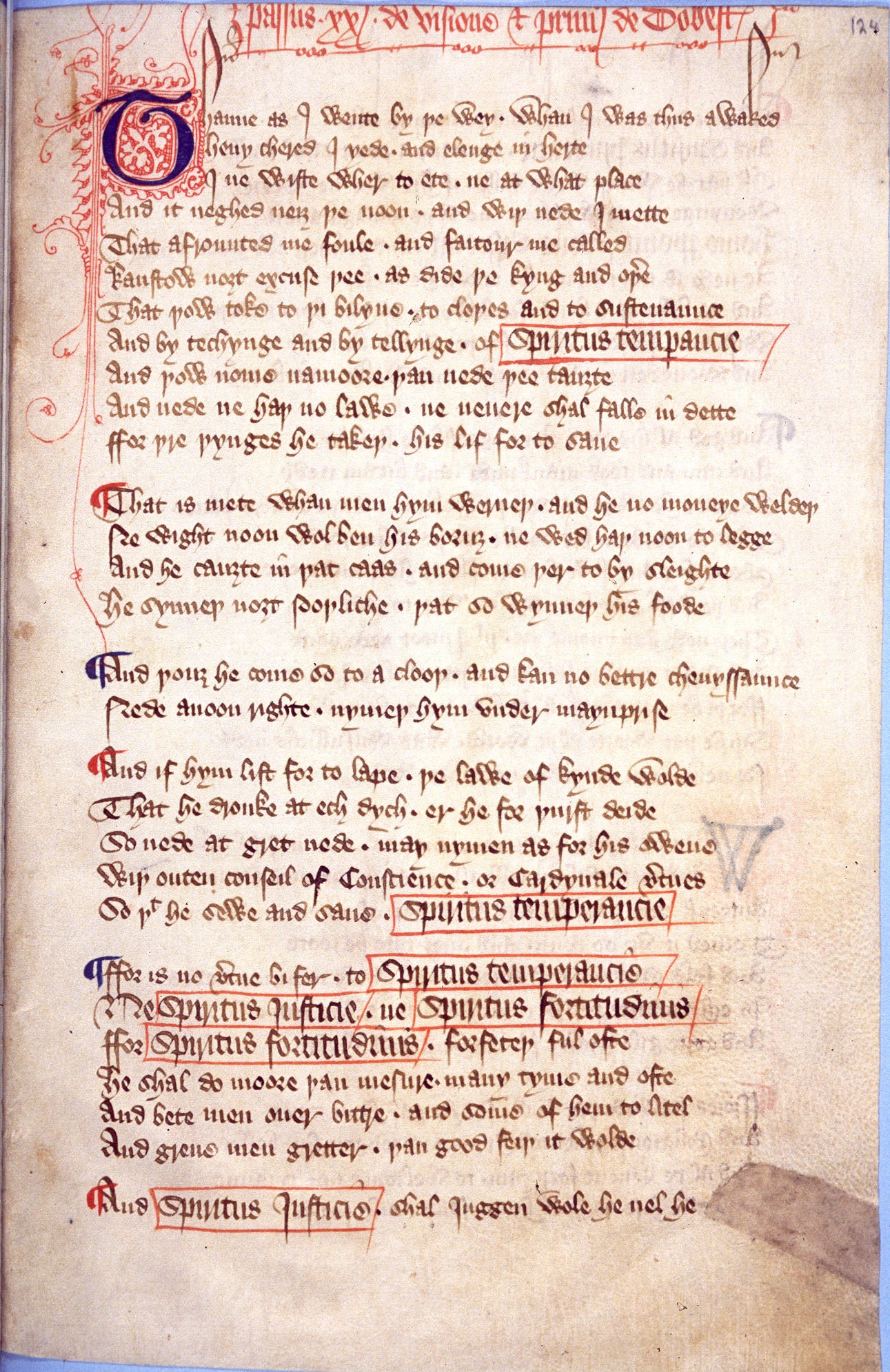
- c. 1378-9, [William Langland], “Paſſus .xx᷒. ⁊ prım᷒ de Dobeſt”, in [Piers Plowman, A Treatise on Sin] (W, B-text), London, published c. 1400, →OCLC, folio 124, recto; republished as Thorlac Turville-Petre, Hoyt N. Duggan, editors, Cambridge, Trinity College, MS B.15.17 (The Piers Plowman Electronic Archive; 2), SEENET, 2014, →ISBN:
- Heuy chered I yede. and elenge in herte / I ne wıſte wher to ete. ne at what place
- I travelled grave-faced and with a gloomy heart; / I didn't know where or at what point to eat.
- Lonely, desolate; in isolation.
- (rare) Tedious, dull; causing boredom.
- (rare) Strange, unusual; out of the ordinary.
Derived terms
- elengely
- elengenesse
Descendants
- English: ellinge, elenge, ellenge (dialectal, obsolete)
References
- “elenge, adj.”, in MED Online, Ann Arbor, Mich.: University of Michigan, 2007.
- “elenge, adj.”, in OED Online , Oxford: Oxford University Press, launched 2000.