𬼀
| ||||||||
Translingual
Han character
𬼀 (Kangxi radical 4, 丿+1, 2 strokes, composition ⿽丿丶)
References
Japanese
| Kanji in this term |
|---|
| 𬼀 |
| して Hyōgai |
| kun'yomi |
Glyph origin
From the first and second stroke of 為. Cognate with Korean 丷.
Verb
𬼀 • (shite)
- (dated) abbreviation of して
See also
- (Japanese ligatures and scribal abbreviations) 〆 (shime), 𪜈 (tomo), ゟ (yori), ヿ (koto), 𬼀 (shite), 〼 (masu), ヶ (“graphical abbreviation for 箇”), 々 (“iteration mark”), ゝ (“iteration mark for hiragana”), ヽ (“iteration mark for katakana”) 〱 (“iteration mark for multiple kana”),
Vietnamese
Han character
𬼀: Nôm readings: nhau[1], nhiều[1], nhiêu[1], tiền
Adverb
𬼀 • (nhau)
- chữ Nôm form of nhau (“each other”)
Determiner
sc=HaniPlease see Module:checkparams for help with this warning.
𬼀 • (nhiều)
Noun
𬼀 • (tiền)
References
- ↑ 1.0 1.1 1.2 Nguyễn (2014).
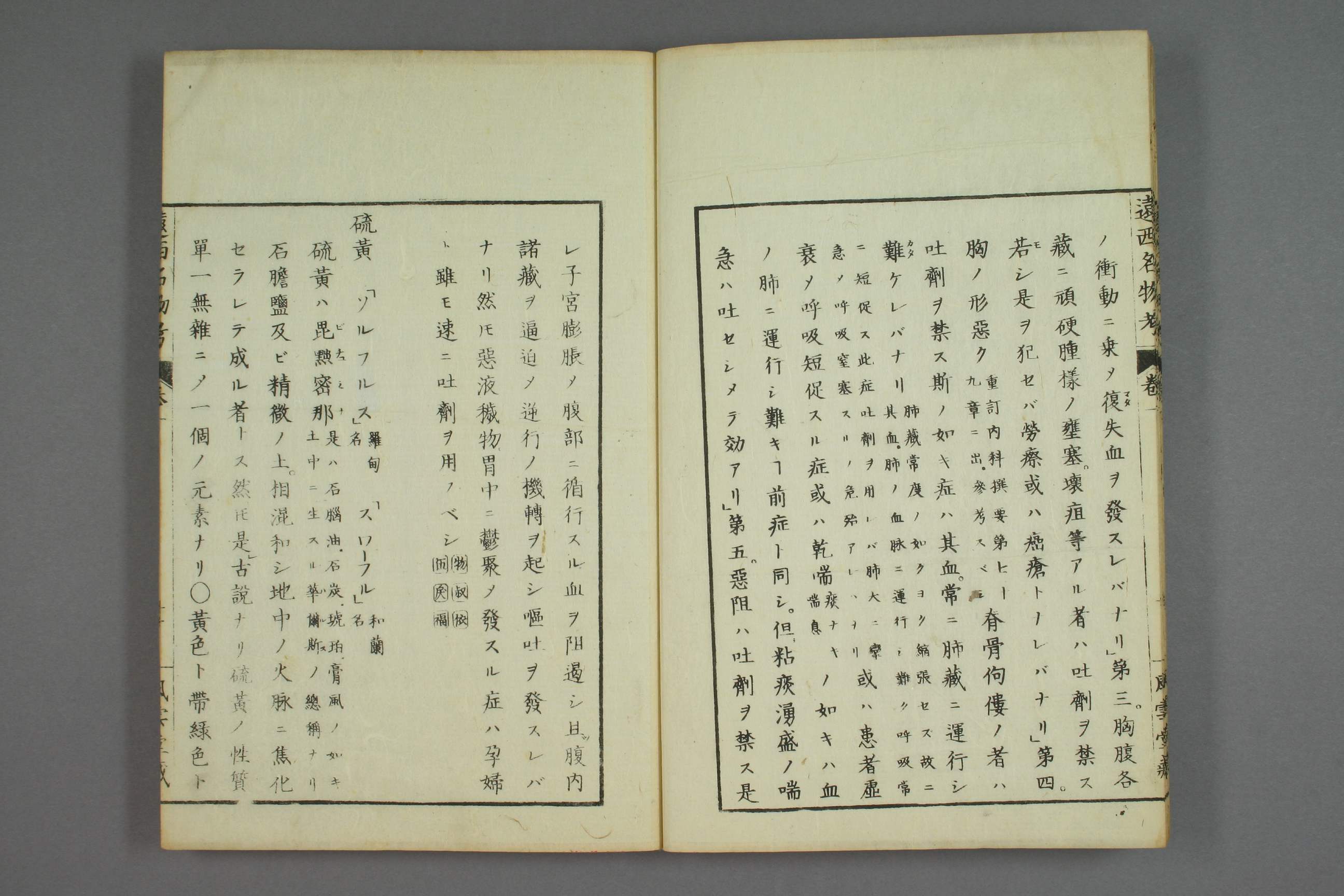
- ^ 2020, Bích-Tuyển Thị Đỗ, “Graphic abbreviation of Chinese characters in Vietnam: A case study of “dot and bend” in Sino-Nom texts”, in Journal of Chinese Writing Systems, page 246:
- 錢 refers to the currency unit.
The abbreviation of 錢 to “𬼀” is commonly used on Sinitic stele inscriptions in Vietnam.
錢 refers to a measurement unit of traditional Vietnamese medicine
In the prescription section of Sino-Nom books on medicine and pharmacy, 錢 was written as 𬼀 and equal to 1/10 tael.